Deploying Authority Platforms to Rankings
Response Engine Optimization (AEO) targets AI answer boxes in Google, Bing, and ChatGPT search. Both need entity-first optimization, structured answers (meaning, pros/cons, comparison tables, FAQs), and reliable external co-mentions.
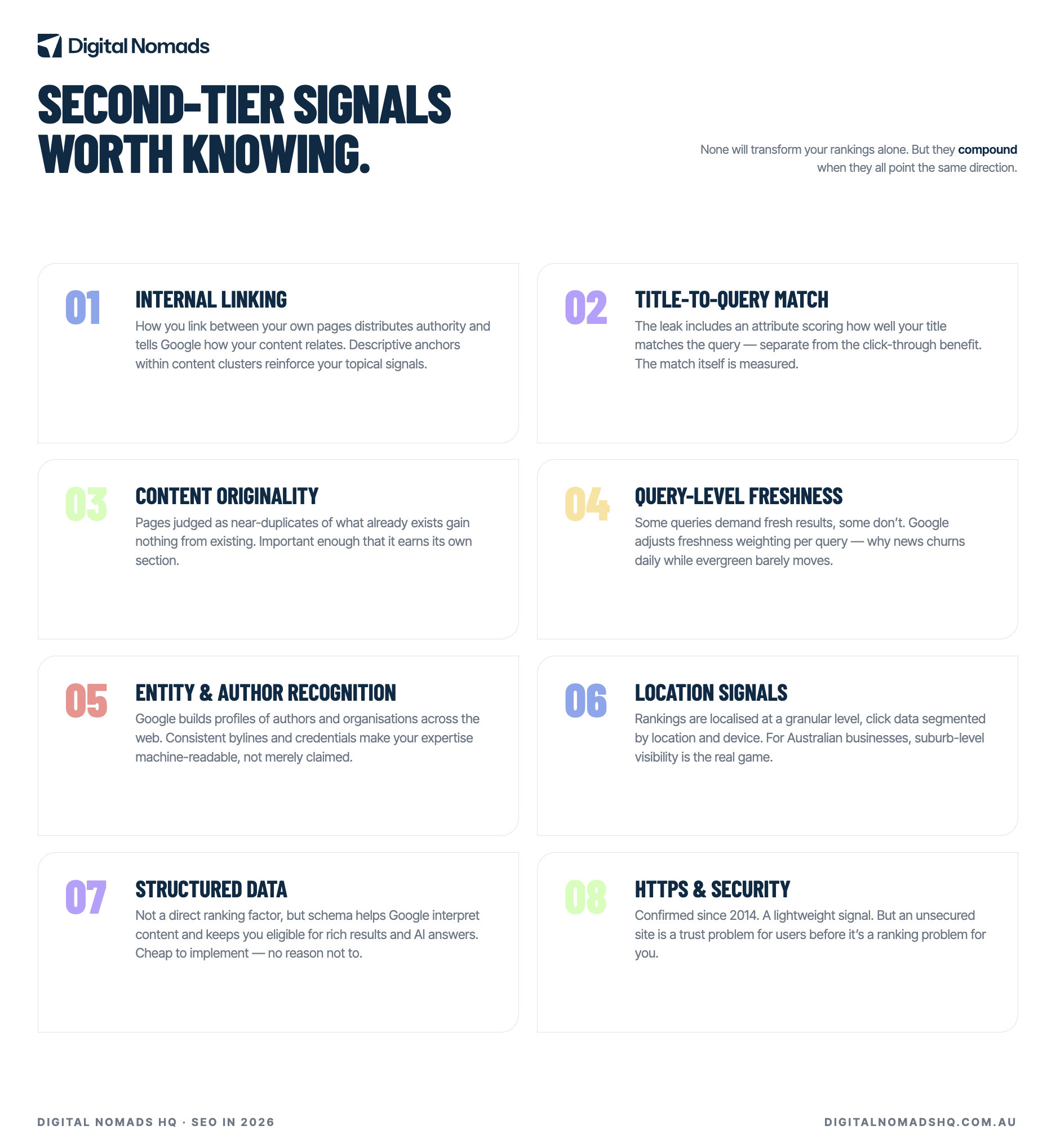
Site-level trustworthiness confirmed authors, constant entity markup, co-citations with acknowledged sources significantly gates ranking capacity for business inquiries. GA4 data-driven attribution, privacy-driven direct-traffic inflation, and AI recommendations that often sign up as direct all make last-click natural attribution less trustworthy.
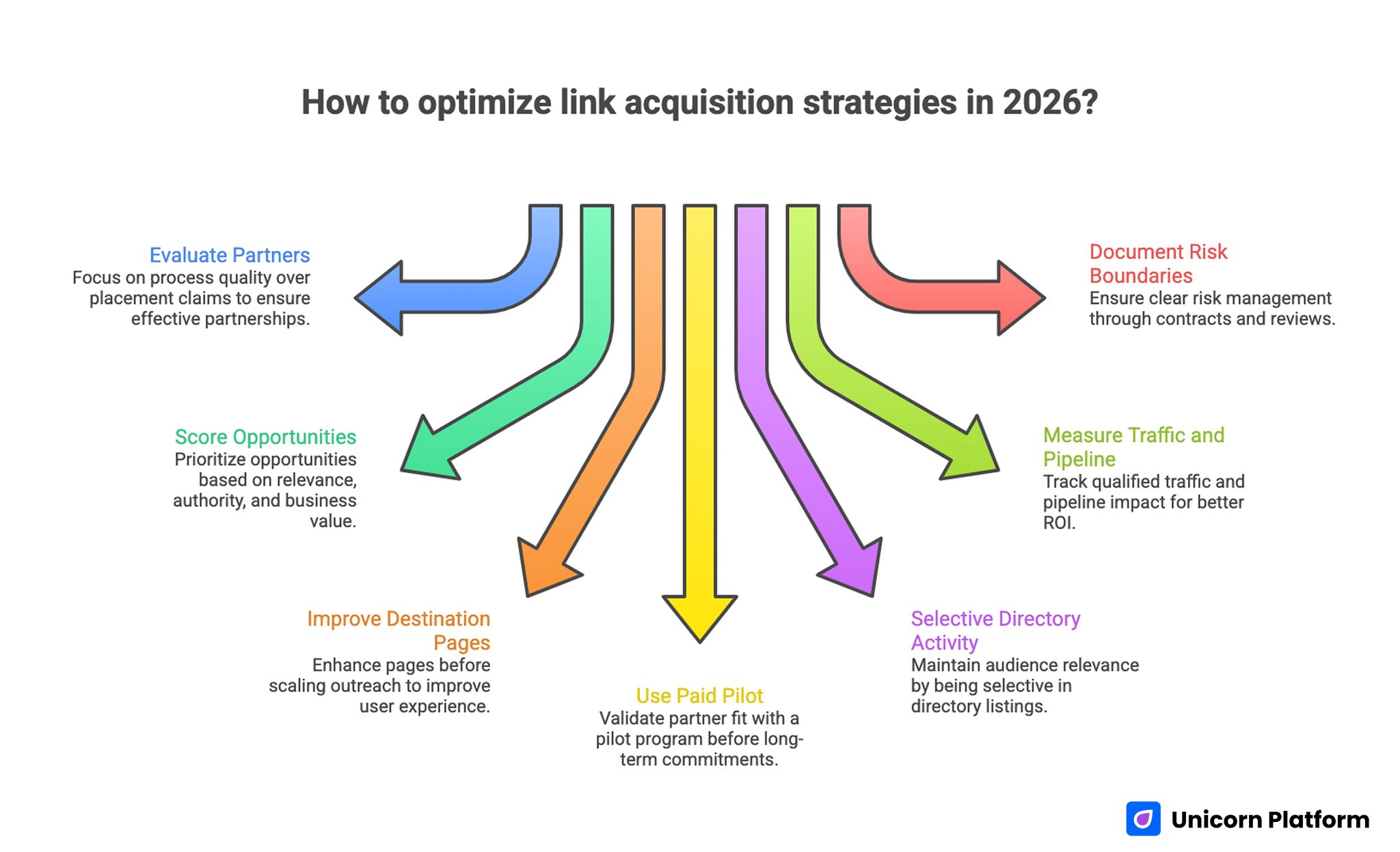
An SEO method that can not be priced in profits language gets cut initially when budget plans tighten up. Spend the opening pages of your plan connecting organic metrics to pipeline, profits, and quarterly OKRs. Every subsequent tactical choice needs to map back to one of these numbers. Map every keyword cluster to a purchaser stage (awareness, factor to consider, choice, retention), designate a conversion-rate proxy from paid search, and forecast pipeline impact per cluster.
Web 2.0 post explained
Use a three-tier OKR structure per quarter: one revenue-outcome objective ("grow organic-sourced pipeline to $X"), 2 to 3 leading-indicator objectives (publishing velocity, internal-link density, Core Web Vitals pass rate), and a risk-mitigation objective (algorithm-update durability, AI-Overview cannibalization defense). Each OKR names an owner and a weekly evaluation cadence. branded + classification informative questions, measured by assisted conversions and top quality search uplift.