Advanced Backlink Building Tips for Drive Success
TL; DR: The 2026 SEO forecastAI agents will finish jobs, search, compare, and transact on behalf of users. We're entering the era of Browse Everywhere Optimization as omnichannel search broadens further beyond Google to social, video, online forums, and AI platforms.
Video, social media, visual search, digital PR, and proprietary data influence AI recommendations. If 2025 felt like a seismic shift in the world of search, 2026 is shaping up to be the year the dust settles into a new digital landscape completely.
As we move beyond the initial panic that AI has actually caused, we deal with a brand-new reality where the fundamental meaning of "search" has actually developed. So what's next? We asked our team of senior SEO managersseasoned strategists who have actually navigated every significant algorithm shift for more than a decadeto appearance ahead and identify what 2026 holds for search marketing.
Our organic search team is in the trenches, watching these shifts unfold in real time. Here is what our company believe the future of natural search looks like in 2026. Let's dig in! Expert system is moving beyond just answering concerns to finishing entire tasks. AI representatives will search, compare, and even negotiate on behalf of users, essentially altering how consumers find and acquire items.
Advanced Backlink Building Methods to Drive Growth
For brands, this implies optimizing not simply for presence, however for AI systems that function as buying intermediaries, making product info, pricing clarity, and trustworthiness more critical than ever. 2.) Brand track record ends up being a core ranking signalAI systems are now aggregating whatever the internet says about your brandproduct evaluations, customer problems, social media chatter, forum discussions, and PR coveragethen utilizing that composite to choose whether you deserve suggesting in their outcomes.
SEO can't "fix" fundamental product or service problems. Success in 2026 methods looking beyond material and technical tweaks.
3.) Browse is taking place everywhere, all at onceSearch no longer starts or ends with Google. Customers are browsing on AI platforms, social networks, YouTube, Instagram, forums, Reddit, and countless other areas where information lives. AI assistants pull from this entire ecosystem, treating all public information as search data. For brands, SEO is developing from conventional site optimization to managing a full organic presence throughout every platform where reputation, discovery, and authority signals exist.
Brand names that aren't visible across the complete ecosystem threat being overlooked by AI systems synthesizing details from multiple sources. Learn how to enhance your social networks for social search and AI Overview presence. 4.) Regular mobile and desktop search outcomes (SERP) analysis become criticalMost new AI features, search modules, and interface experiments present on mobile first yet many marketers still evaluate rankings and rivals solely on desktop.
AI traffic is increasingly skewing back towards desktop. In 2026, keeping track of both experiences becomes critical not for optimization strategies, but to in fact see the real search environment your audiences experience throughout different contexts.
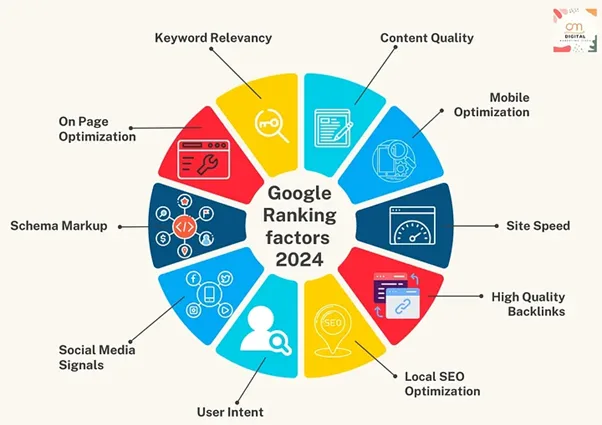
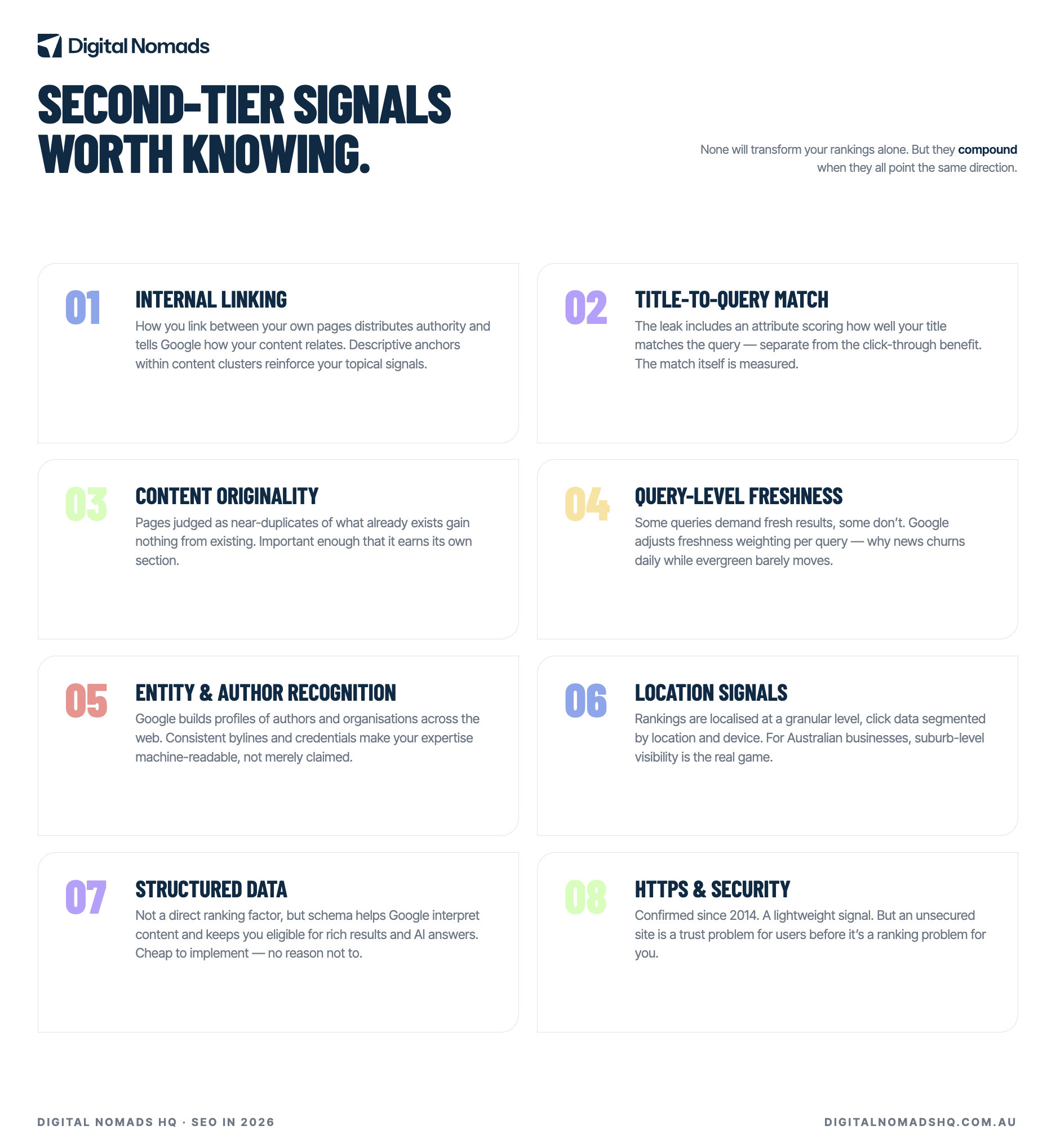
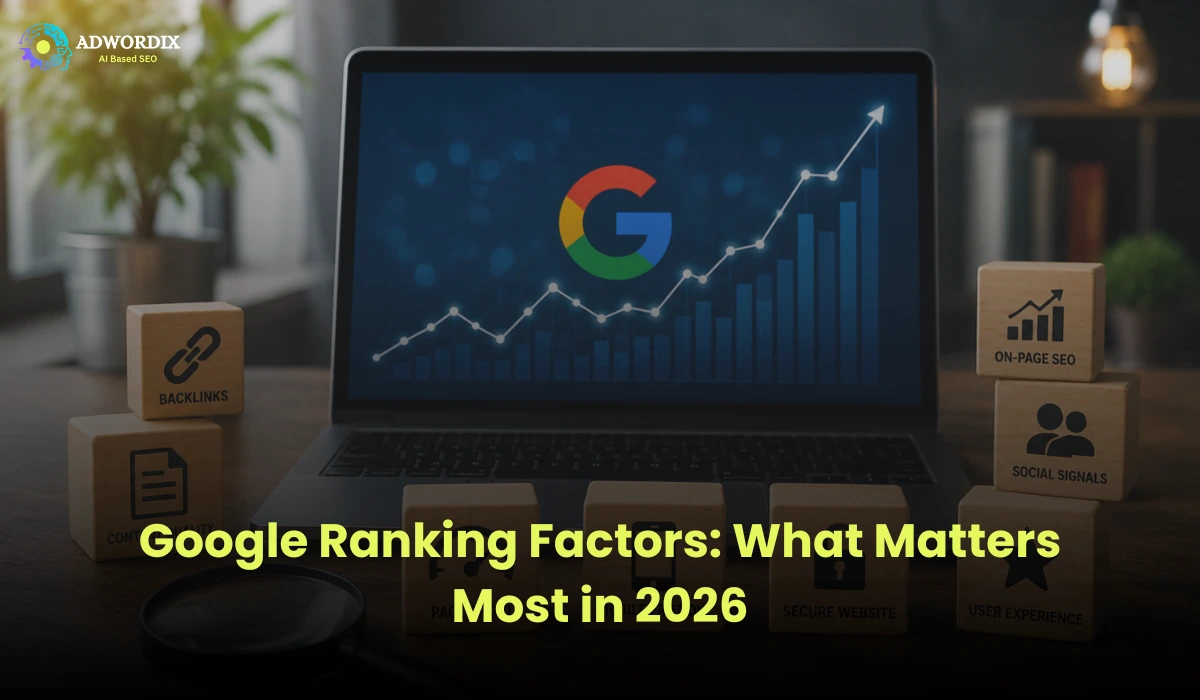
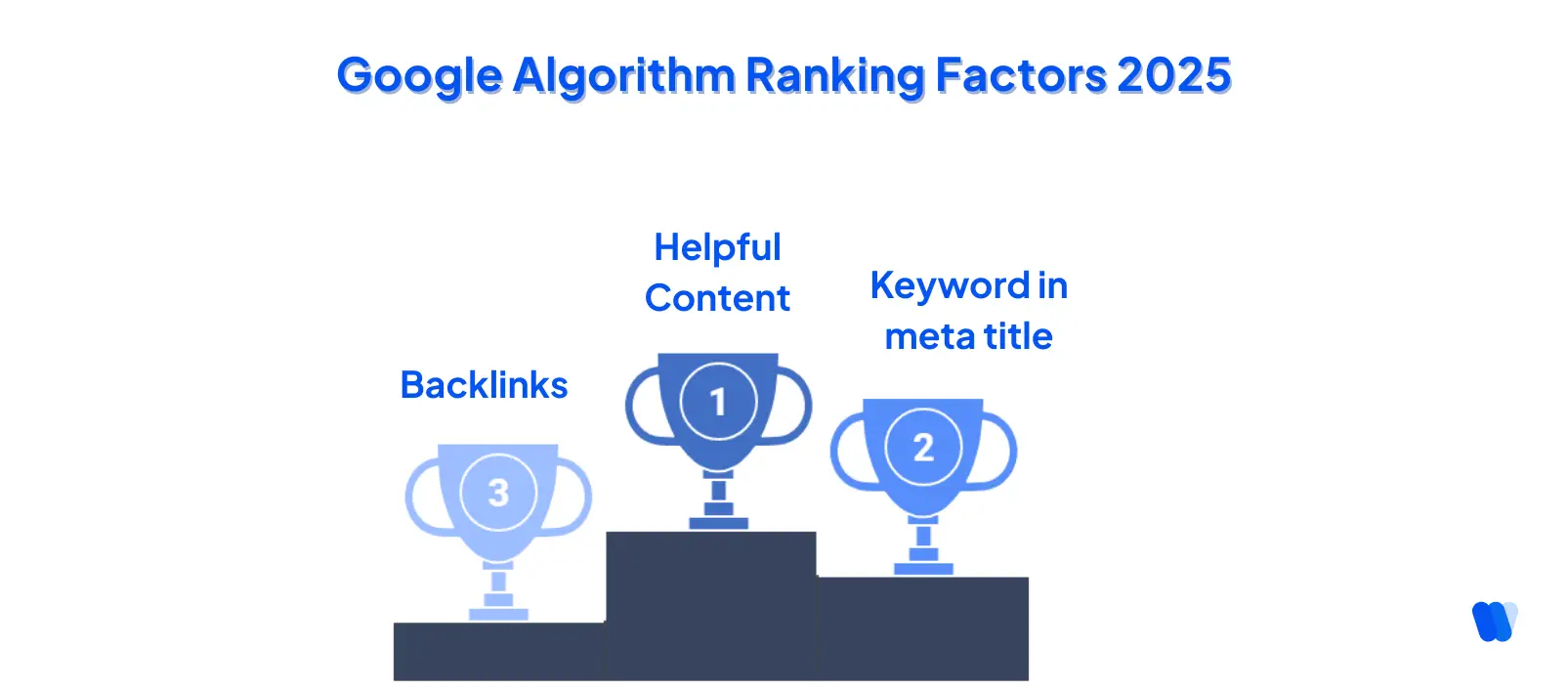
Critical Search Ranking Factors Must Watch for 2026
Uncertainty or inconsistent messaging leads to misclassification, directly damaging exposure in AI-driven results. This extends to company pages: About Us pages are progressively prominent in AI results, making content quality on these fundamental pages definitely critical in 2026. Entity optimization continues to overtake conventional keyword strategy in significance. 6.) Material clarity and freshness trump ambiguityAI systems thrive on clear, actual language.
The goal is lessening AI (and user) misconceptions. When an LLM can't parse what you do or why it matters, you vanish from recommendations. This does not mean dumbing down content; it indicates communicating with precision and structuring info so crawlers and users can scan, absorb, and act upon it rapidly.
Web 2.0 post service
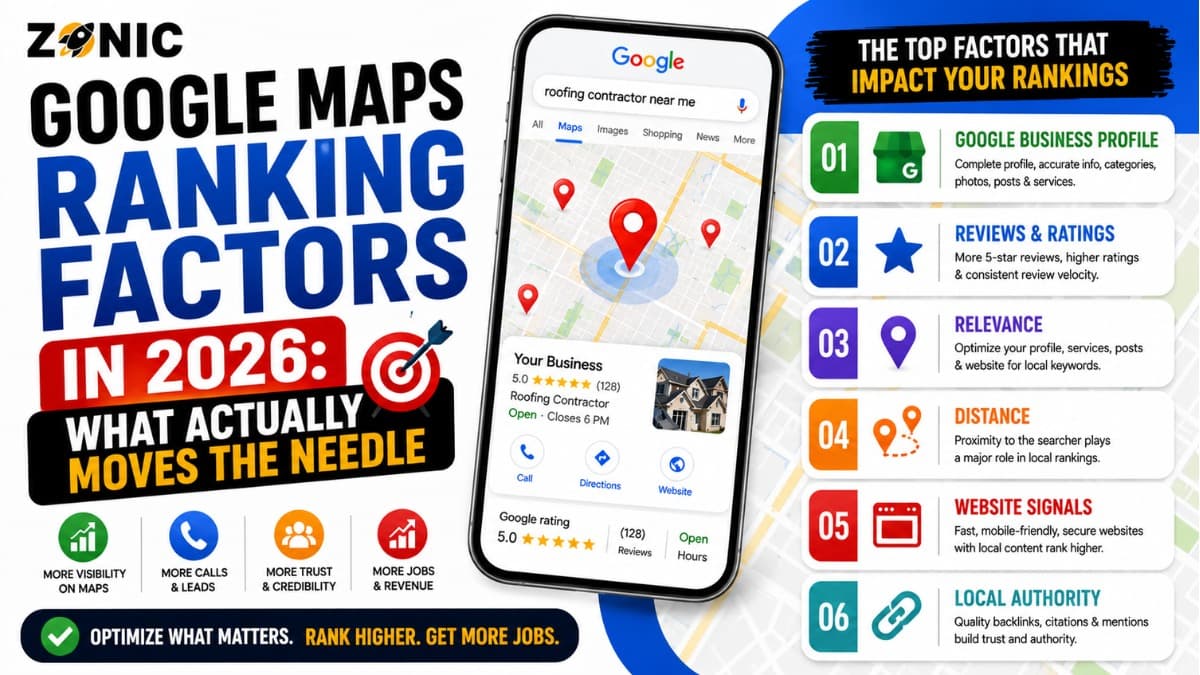
Brand names require processes and resources to refresh content often, signaling to AI systems that details is current and dependable. 7.) Hyper-localized search decreases reach and increases competitionLocal exposure will narrow as AI search gets better at surfacing very close-proximity suppliers. Services that once reached an entire city area will find their radius diminishing to micro-markets.