Building the Web 2.0 Authority Strategy in 2026
And after an initial jump in 2025, the portion of people investing $45,000 or more on a monthly basis is holding strong: When taking a look at different industries, specifically, we observed that almost one-third (30%) of B2B content online marketers invest less than $5,000 per month, compared to 26% of B2C online marketers. But otherwise, in spite of the fact that they're very various markets, there isn't a substantial distinction in their budgets.
Around 1 in 6 (16%) content marketers whose industries are both B2C and B2B invest $45,000 or more each month, compared to only 10% of B2C and 10% of B2B marketers. Despite algorithm changes and a quickly altering material market, content marketing is plainly still earning money. What's more, the data shows that the prevalent usage of AI hasn't resulted in diminishing content budgets.
All of us understand that you can't put a keyword-stuffed blog site post on your site and wait for the clicks to roll in any longer. However today, you can't spend all your focus going after Google's algorithm, either. Between LLM search engine result and off-page SEO, business and marketers alike are leaning toward larger budget plans and great talent to find new methods to get their brand names noticed.
Today, 21% of material online marketers outsource somewhere in between three-quarters to 100% of their content budget, up from only 5% last year. Still, most frequently, 26% of material online marketers just contract out about a quarter to half of their content budget plan, a portion that hasn't altered significantly given that 2023. Another 14% do not outsource any of their content spending plan at all, but that's in fact below 29% in 2023: While groups with tight budgets often outsource work to relatively economical freelancers, some of this development can be credited to people with bigger budget plans who need more hands to help them fulfill deadlines.
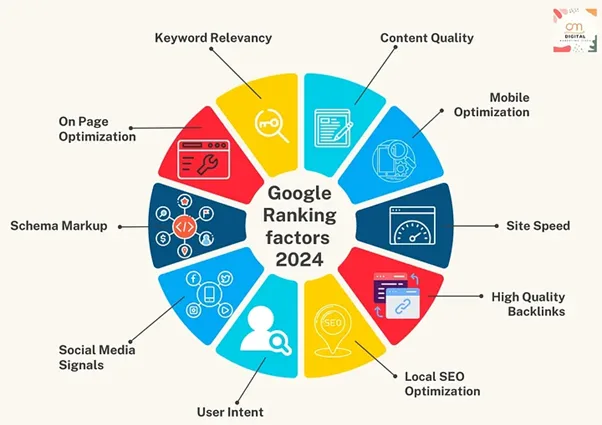
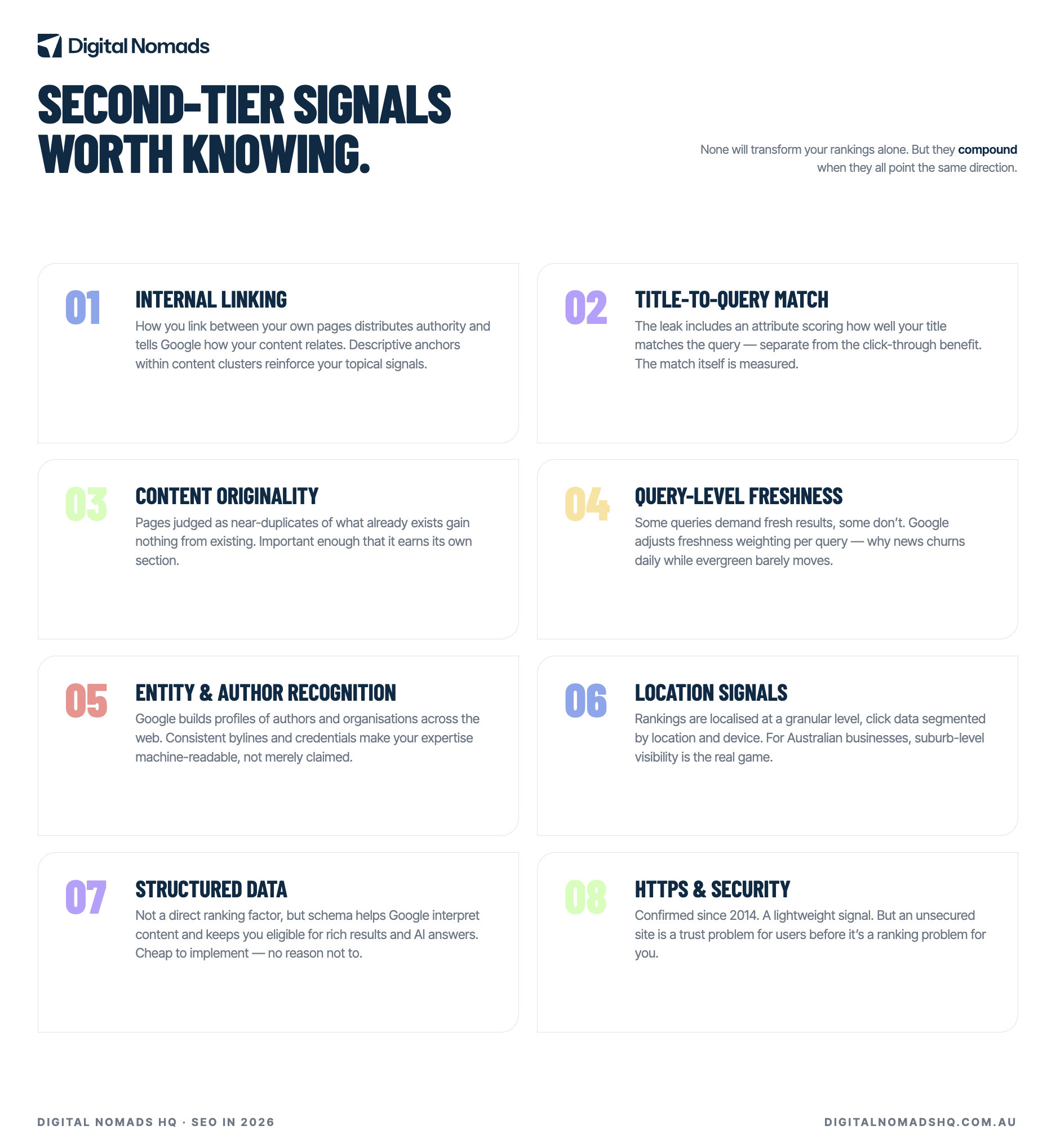
Decoding New Core Google Ranking Factors for 2026
More than 1 in 4 (27%) outsource somewhere in between three-quarters to 100% of their content budget plan, compared to just 20% of B2B marketers and 16% of B2C online marketers. Theoretically, outsourcing content and analysis to AI could conserve cash and enhance material online marketers' revenue margins. But while AI usage is now practically universal in marketing, a lot of are still offering their work a human touch.
Web 2.0In 2023, just 65% of content online marketers stated they prepared to use AI content generation tools, and 17% said they didn't plan to use them at all. The portion of material marketing programs that utilize AI rose from 83% in 2024 to 90% in 2025.
That doesn't suggest that material today goes straight from ChatGPT to a CMS without any oversight. Most frequently, 48% of material online marketers state their program utilizes a moderate quantity of AI. To put it simply, AI touches about 11% to 40% of their work: All in all, only 1% of material online marketers state their work is 100% AI.
Web 2.0How to Leverage Web 2.0 to Boost Authority
Material always needs a human touch to make sure accuracy and to keep the number of em-dashes to a minimum. Don't be mistaken more than three-quarters (80%) of material online marketers say ChatGPT is the most reliable and reliable tool for content marketing.
After several years as an indisputable market leader, ChatGPT now has some competition. It's no longer the only dependable AI on the market. The percentage of individuals who state Anthropic's Claude and Google's Gemini are the most trustworthy LLMs has roughly doubled YoY (From 28% to 55% for Claude and from 16% to 44% for Gemini).
Some individuals have actually particularly soured on ChatGPT.
Creating Elite Web 2.0 Assets for Drive Trust
However as many tech business invest greatly in AI, others are capturing up. We have actually found that people typically use AI at the very starting and the very end of producing content, not throughout detailing or composing copy. But this wasn't always the case. The portion of individuals using AI for conceptualizing and detailing fell from 72% in 2025 to 61% in 2026, and the portion of people using it to draft content fell from 57% to 44%.
And 74% use it for content ideation. Typically, content online marketers are more flexible with utilizing AI for design and research. Nearly half (47%) of respondents use it for generating design ideas, up from 25% in 2025. And 55% usage it for method brainstorming, such as crafting audience personas. That's up from 42% in 2025.