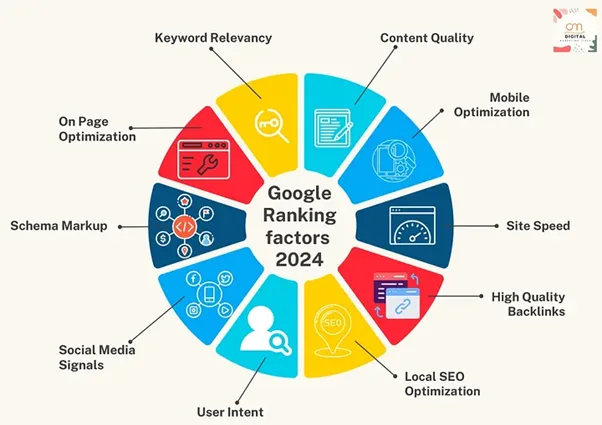
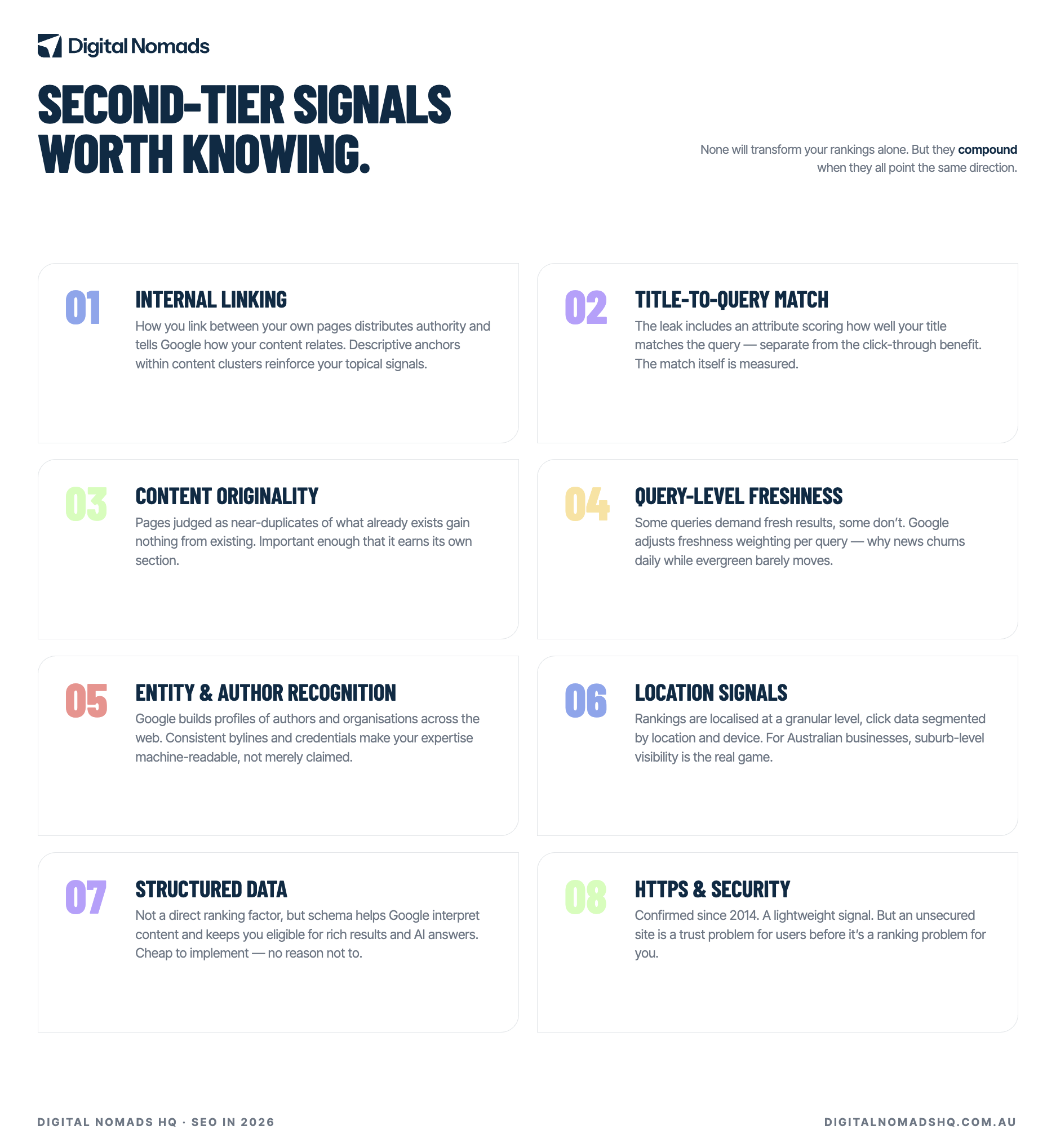
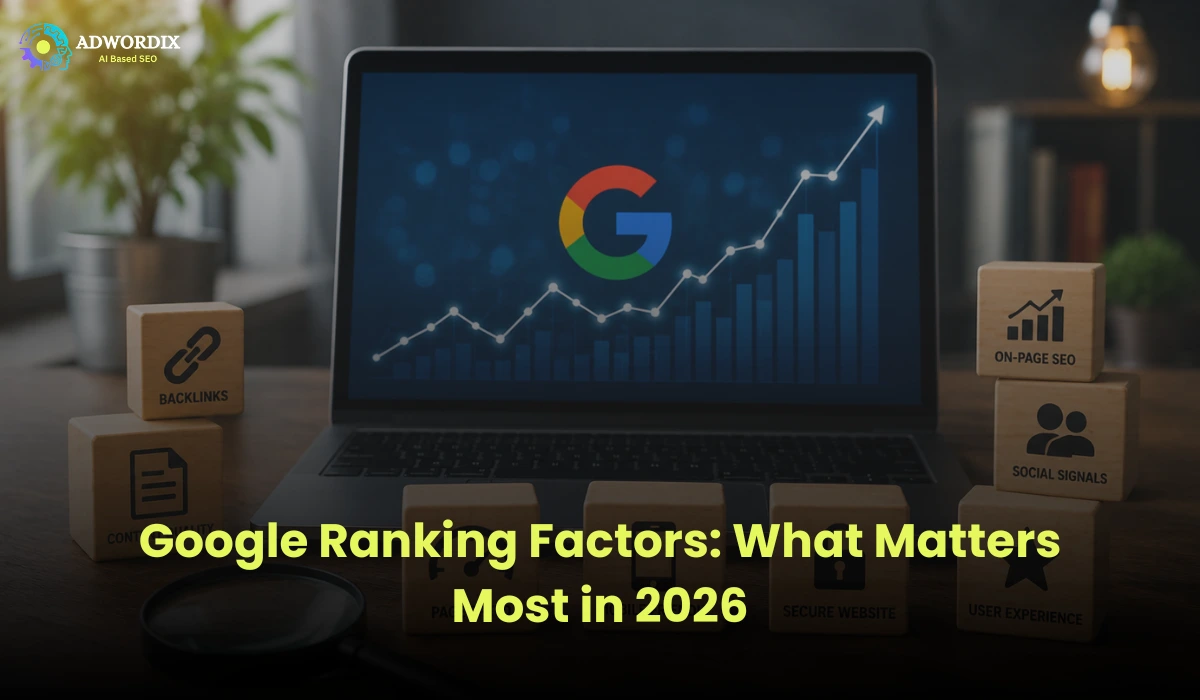
Core Search Ranking Factors Must Watch for 2026
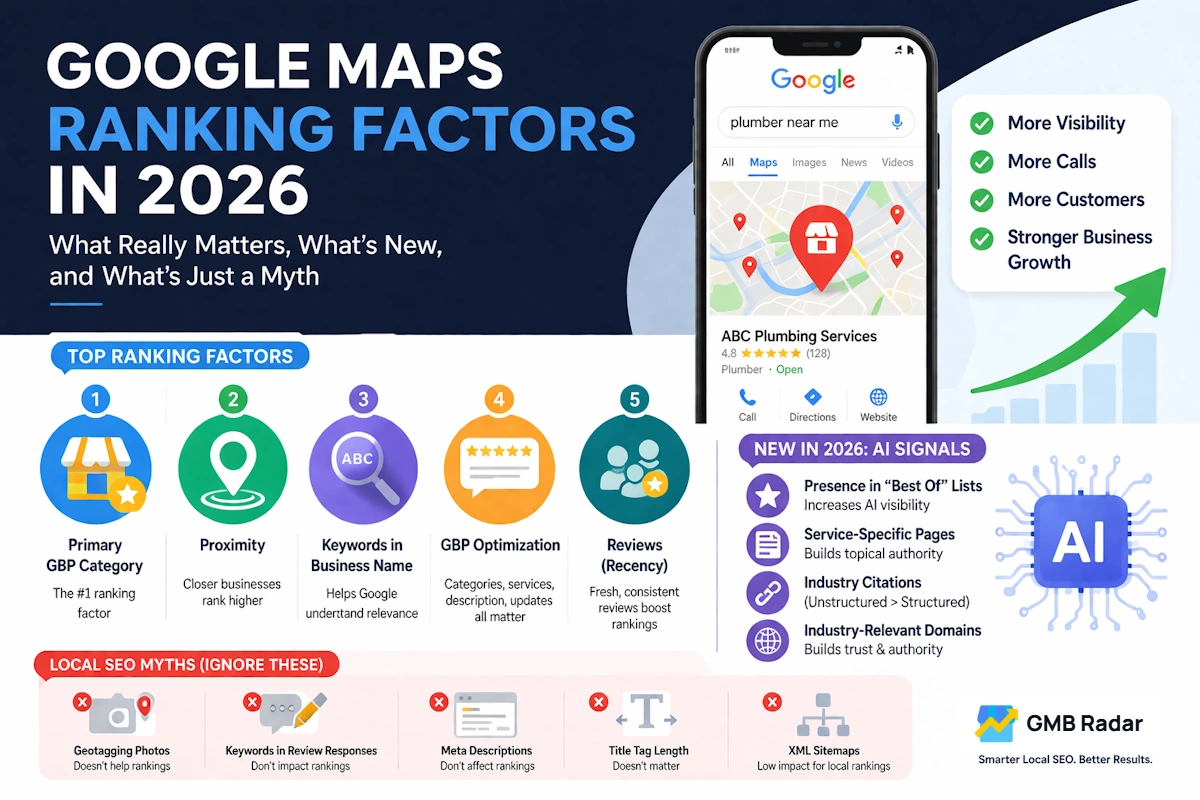
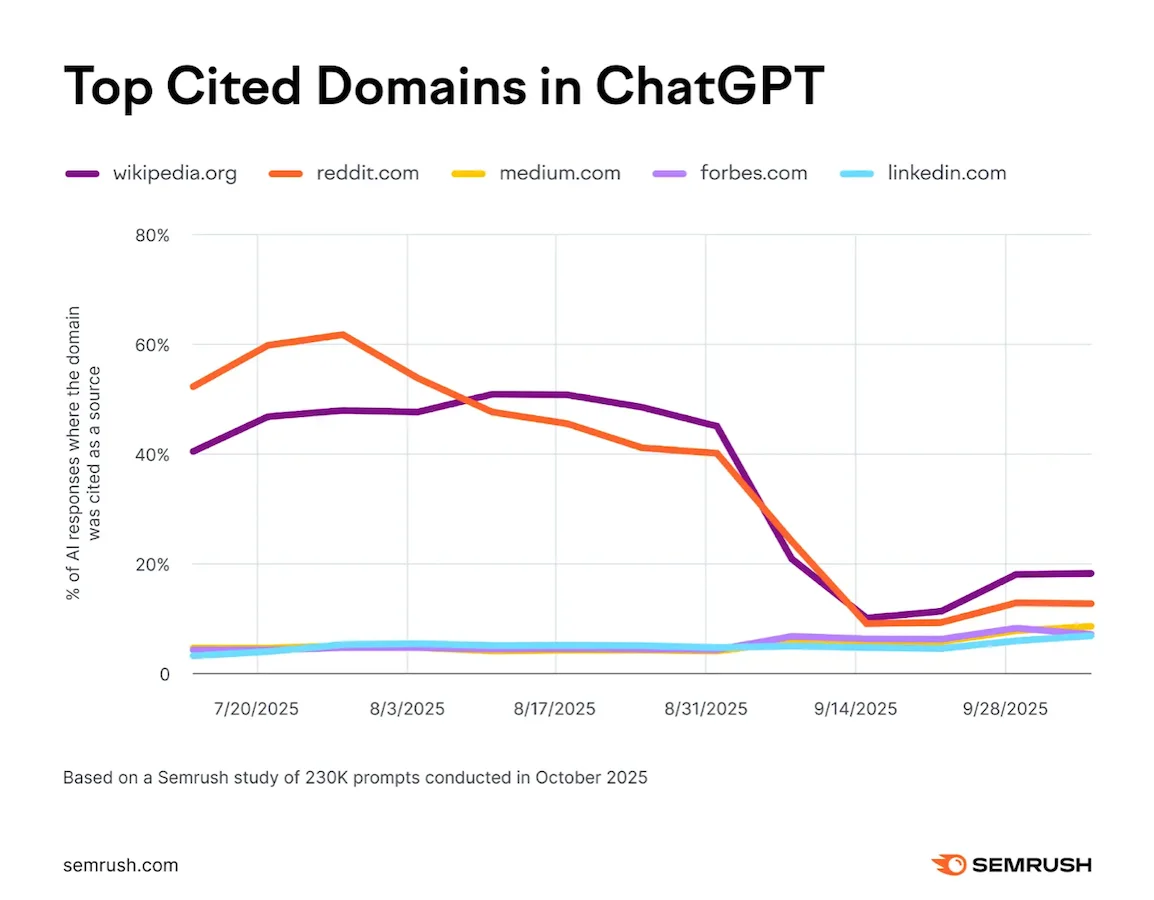
The strategic implication: shift informational content towards being cited by AI, and push commercial and transactional pages harder for direct check outs. Response Engine Optimization (AEO) targets AI respond to boxes in Google, Bing, and ChatGPT search. Generative Engine Optimization (GEO) targets citations inside LLM actions more broadly. Both need entity-first optimization, structured answers (meaning, pros/cons, comparison tables, Frequently asked questions), and reliable external co-mentions.
Web 2.0 SEO strategySite-level credibility confirmed authors, consistent entity markup, co-citations with recognized sources increasingly gates ranking potential for industrial questions. GA4 data-driven attribution, privacy-driven direct-traffic inflation, and AI recommendations that frequently register as direct all make last-click organic attribution less credible.
An SEO strategy that can not be priced in earnings language gets cut first when budgets tighten up. Spend the opening pages of your plan linking organic metrics to pipeline, income, and quarterly OKRs. Every subsequent tactical decision should map back to one of these numbers. Map every keyword cluster to a purchaser phase (awareness, factor to consider, choice, retention), appoint a conversion-rate proxy from paid search, and projection pipeline impact per cluster.
Web 2.0 SEO strategy
Utilize a three-tier OKR structure per quarter: one revenue-outcome objective ("grow organic-sourced pipeline to $X"), 2 to 3 leading-indicator objectives (publishing speed, internal-link density, Core Web Vitals pass rate), and a risk-mitigation goal (algorithm-update durability, AI-Overview cannibalization defense). Each OKR names an owner and a weekly review cadence. branded + classification informational inquiries, determined by assisted conversions and top quality search uplift.