Critical Search Ranking Factors to Watch in 2026
Internal teams alone can not cover all aspects: technology, material, brand name strategy, platform reasoning, organizational advancement. The future doesn't come from those who stick to old SEO tactics and sob about AI Overviews, however to those who comprehend the bigger photo and adjust flexibly. Those who set the best course today secure advantages not just for 2026but get ready for the next wave.
Google, ChatGPT & Co. continue turning into running systems of digital life. SEO must work cross-channelnot just on websites, however also on apps, community platforms, and in structured feeds.
SEOStrategy template2026 edition Total 2026 SEO strategy template and preparation guide personal goal setting, keyword research study, technical, content, link structure, AI search, and reporting. 40+Tactical checklist items Technique requires a 2026 rewrite:: AI Overviews, zero-click SERPs, and entity-first ranking make pre-2024 SEO templates dangerously incomplete. Modern strategy should prepare for AEO/GEO alongside standard rankings.
Executives fund methods that map to deals, not control panels showing sessions. Pillars beat scattered posts:: A pillar-and-cluster architecture with purposeful internal links surpasses 200 disconnected articles on the exact same subject area. AEO/GEO is an unique workstream:: Being cited by AI answers requires entity SEO, structured responses, and reliable co-mentions not simply ranking in the ten blue links.
Future SEO Strategies for 2026
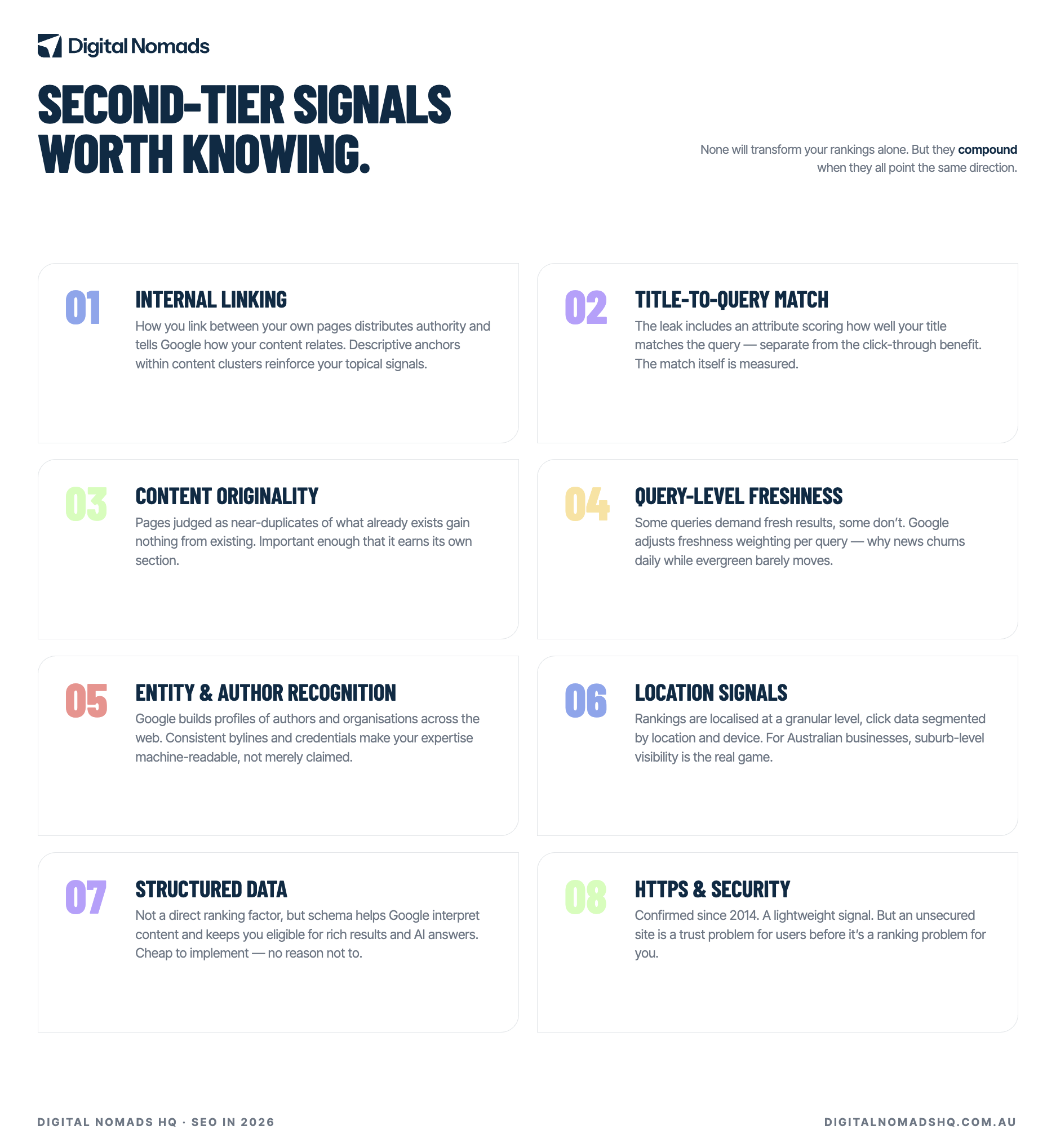
They open ranking capacity but seldom win categories by themselves. Step leading signs weekly:: Publishing speed, internal link density, and crawl protection relocation before rankings. Wait on traffic to react and you have already lost the quarter. The SEO technique templates most teams are still using were developed for a 2018-2022 world exact-match keywords, rank tracking as the headline metric, link counts as the prize, and a near-absolute dependence on Google's 10 blue links.
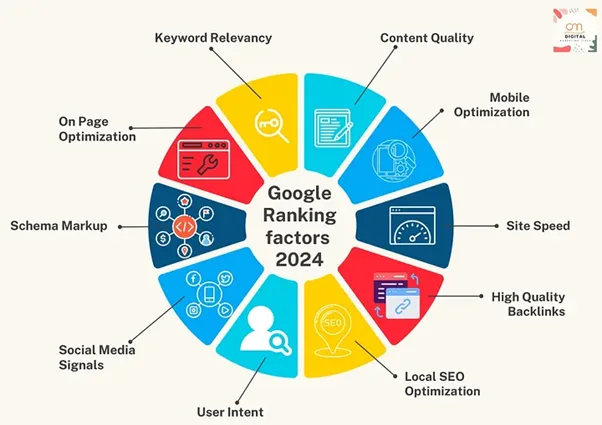
AI Overviews now resolve a growing share of informative queries without a click. Perplexity, ChatGPT search, and Gemini are reshaping discovery for a material slice of purchasers. E-E-A-T inflation, entity-level ranking, and topical authority have moved the center of gravity from page-level optimization to site-level reliability. A 2026 SEO method needs to plan for 6 pillars in parallel: technical foundations, material architecture, on-page optimization, link and entity authority, AI search presence (AEO/GEO), and measurement.
And it should ship on a 90-day tactical cadence with a 12-month strategic envelope, due to the fact that the SERP is moving too fast for yearly strategies alone. This design template walks through every pillar, with worked examples, a priority matrix, and a quarterly timeline you can raise into your own planning doc. internal SEO leads, creators owning organic growth, and companies constructing method deliverables for clients.
Static Vs. Modern Ranking Frameworks
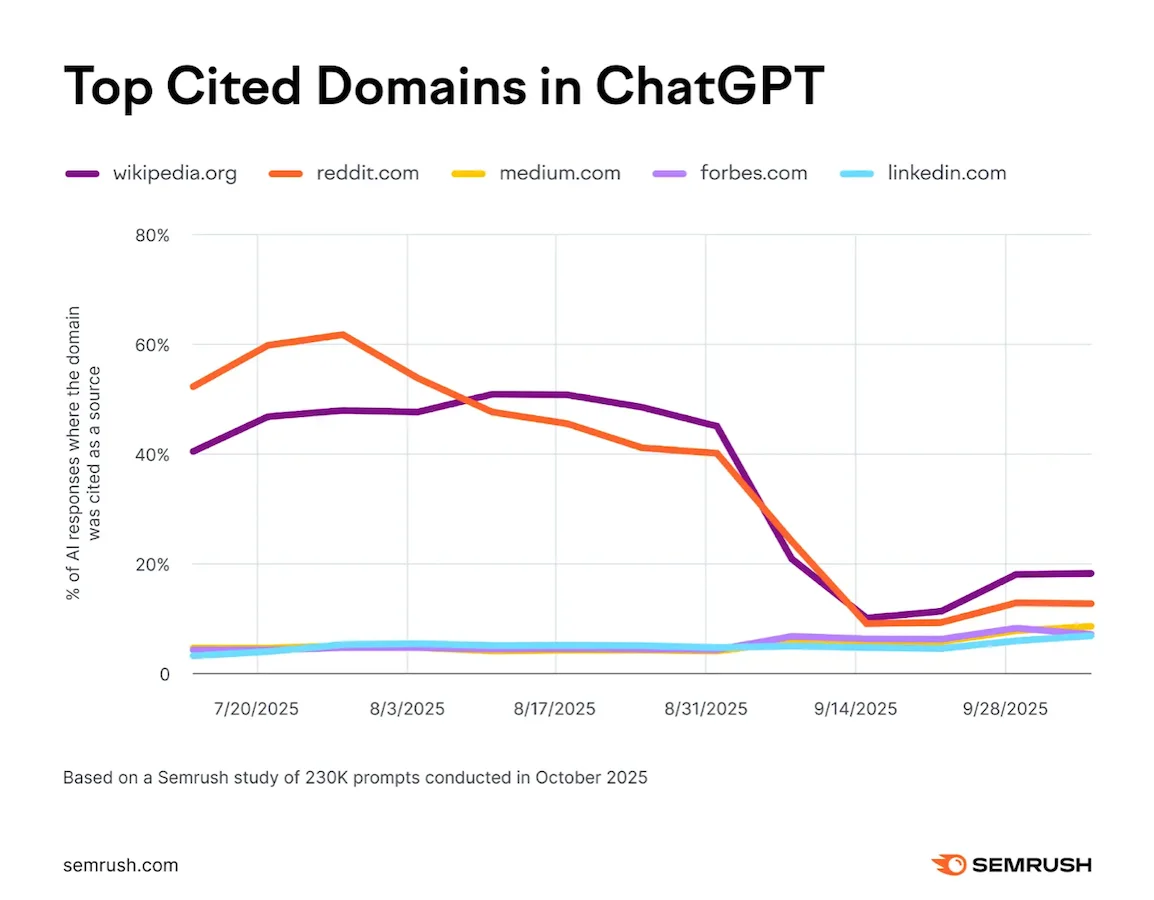
The tactical ramification: shift informative content towards being mentioned by AI, and push commercial and transactional pages harder for direct check outs. Answer Engine Optimization (AEO) targets AI answer boxes in Google, Bing, and ChatGPT search. Generative Engine Optimization (GEO) targets citations inside LLM actions more broadly. Both require entity-first optimization, structured responses (meaning, pros/cons, comparison tables, Frequently asked questions), and reliable external co-mentions.
Site-level trustworthiness confirmed authors, constant entity markup, co-citations with recognized sources increasingly gates ranking potential for commercial questions. GA4 data-driven attribution, privacy-driven direct-traffic inflation, and AI referrals that typically sign up as direct all make last-click organic attribution less reliable.
Invest the opening pages of your strategy connecting organic metrics to pipeline, profits, and quarterly OKRs. Map every keyword cluster to a purchaser stage (awareness, consideration, choice, retention), designate a conversion-rate proxy from paid search, and projection pipeline influence per cluster.
Use a three-tier OKR structure per quarter: one revenue-outcome goal ("grow organic-sourced pipeline to $X"), 2 to 3 leading-indicator goals (publishing velocity, internal-link density, Core Web Vitals pass rate), and a risk-mitigation objective (algorithm-update strength, AI-Overview cannibalization defense). Each OKR names an owner and a weekly review cadence. branded + category informational inquiries, determined by assisted conversions and branded search uplift.
Answer Engine Optimization (AEO) targets AI address boxes in Google, Bing, and ChatGPT search. Both need entity-first optimization, structured answers (definition, pros/cons, contrast tables, Frequently asked questions), and authoritative external co-mentions.
Utilizing Web 2.0 Assets for Elite Rankings
Site-level trustworthiness verified authors, constant entity markup, co-citations with recognized sources significantly gates ranking capacity for business questions. GA4 data-driven attribution, privacy-driven direct-traffic inflation, and AI referrals that typically sign up as direct all make last-click organic attribution less trustworthy.
Invest the opening pages of your plan connecting organic metrics to pipeline, income, and quarterly OKRs. Map every keyword cluster to a buyer phase (awareness, consideration, decision, retention), appoint a conversion-rate proxy from paid search, and projection pipeline impact per cluster.
Utilize a three-tier OKR structure per quarter: one revenue-outcome objective ("grow organic-sourced pipeline to $X"), two to 3 leading-indicator goals (publishing velocity, internal-link density, Core Web Vitals pass rate), and a risk-mitigation objective (algorithm-update resilience, AI-Overview cannibalization defense). Each OKR names an owner and a weekly evaluation cadence. branded + category informative inquiries, determined by assisted conversions and branded search uplift.