Leveraging Authority Platforms to Rankings

Internal groups alone can not cover all facets: innovation, material, brand method, platform reasoning, organizational development. The future does not come from those who cling to old SEO methods and weep about AI Overviews, but to those who understand the bigger image and adapt flexibly. Those who set the ideal course today secure benefits not just for 2026but prepare for the next wave.
Google, ChatGPT & Co. continue establishing into operating systems of digital life. SEO needs to work cross-channelnot simply on sites, however also on apps, community platforms, and in structured feeds.
SEOStrategy template2026 edition Complete 2026 SEO strategy design template and planning guide setting goal, keyword research, technical, content, link building, AI search, and reporting. 40+Tactical list items Method needs a 2026 rewrite:: AI Overviews, zero-click SERPs, and entity-first ranking make pre-2024 SEO templates alarmingly insufficient. Modern technique need to plan for AEO/GEO alongside traditional rankings.
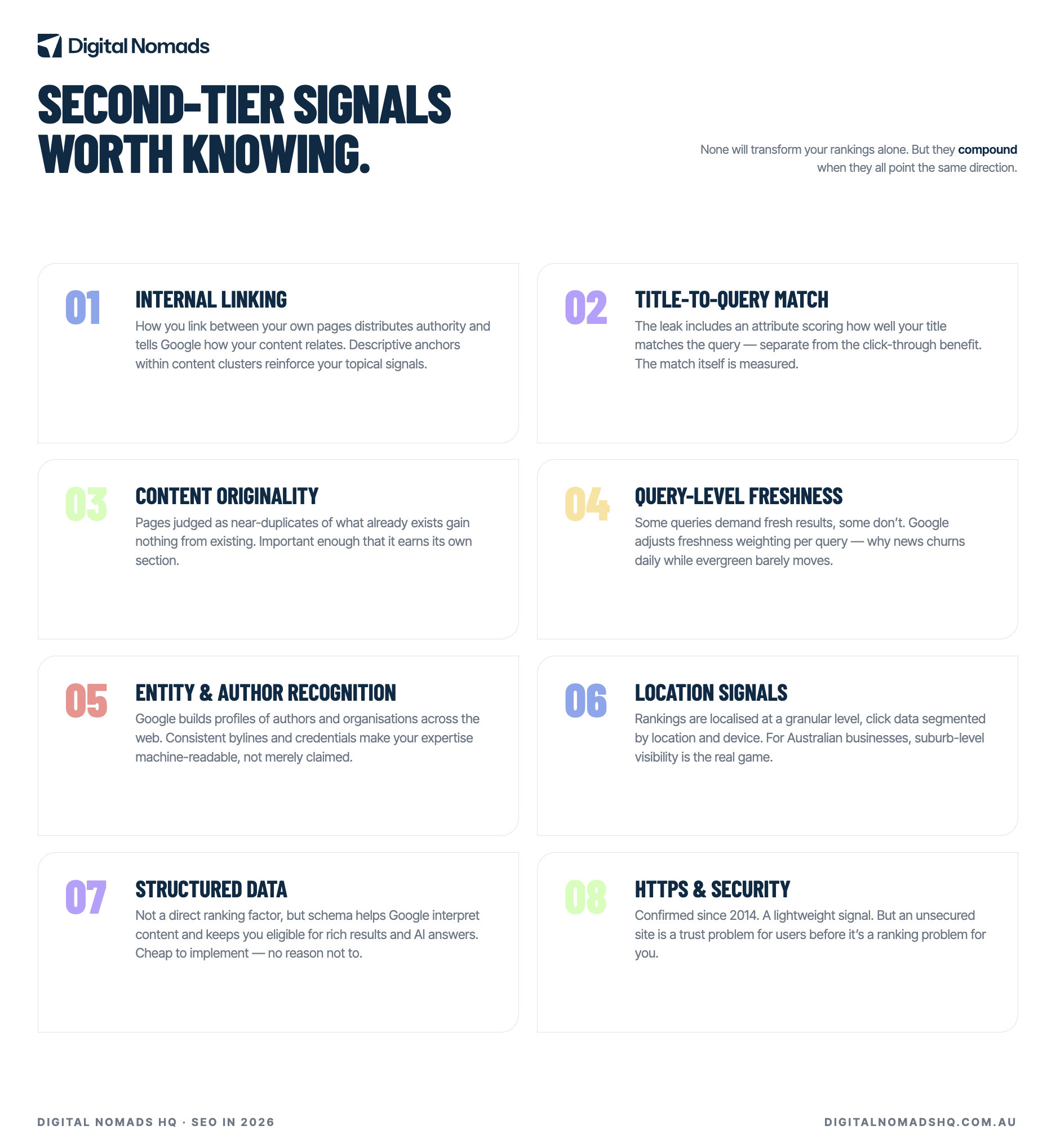
Executives fund techniques that map to offers, not dashboards showing sessions. Pillars beat scattered posts:: A pillar-and-cluster architecture with intentional internal links outperforms 200 detached posts on the very same topic location. AEO/GEO is an unique workstream:: Being cited by AI answers needs entity SEO, structured responses, and reliable co-mentions not simply ranking in the ten blue links.
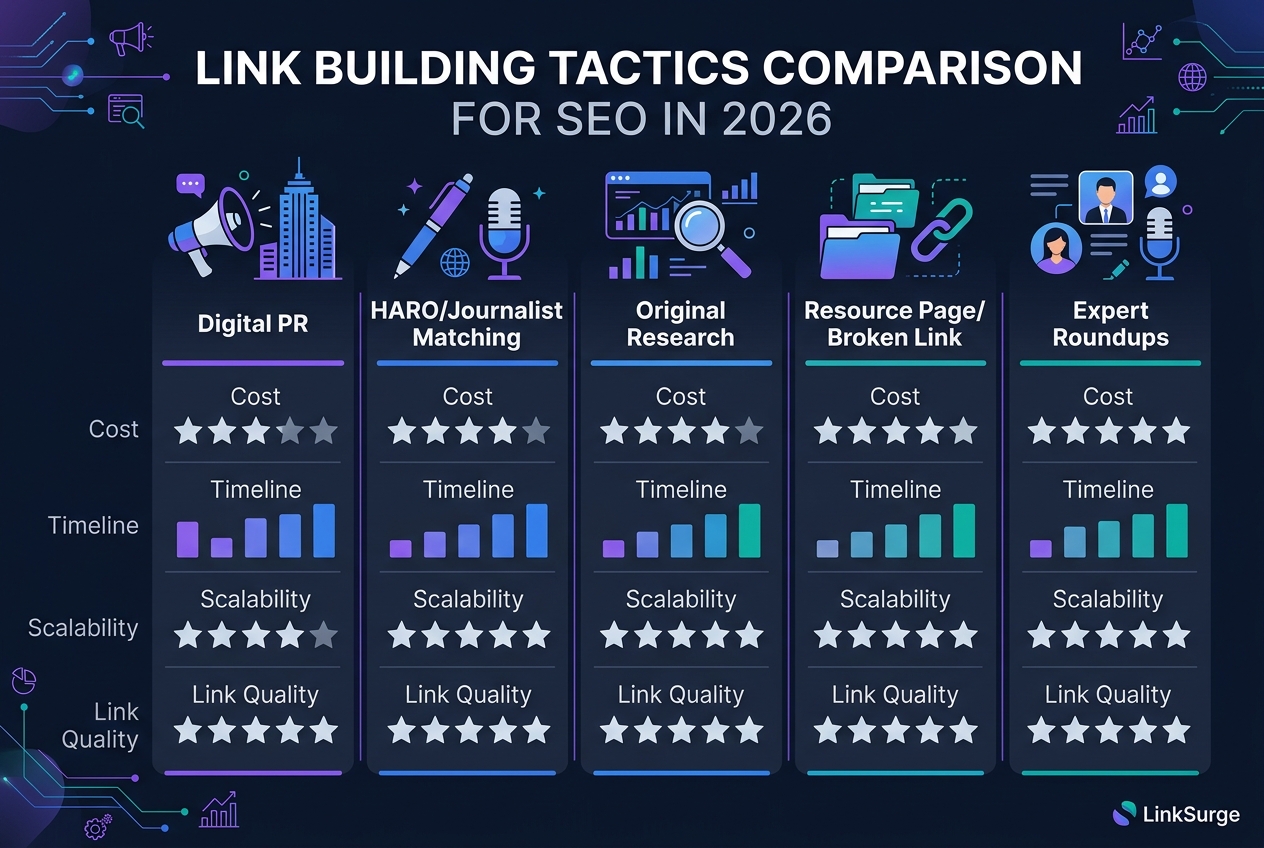
Effective Backlink Building Tips for Drive Success
Step leading indications weekly:: Publishing velocity, internal link density, and crawl protection relocation before rankings. The SEO strategy design templates most teams are still using were constructed for a 2018-2022 world exact-match keywords, rank tracking as the heading metric, link counts as the prize, and a near-absolute reliance on Google's ten blue links.
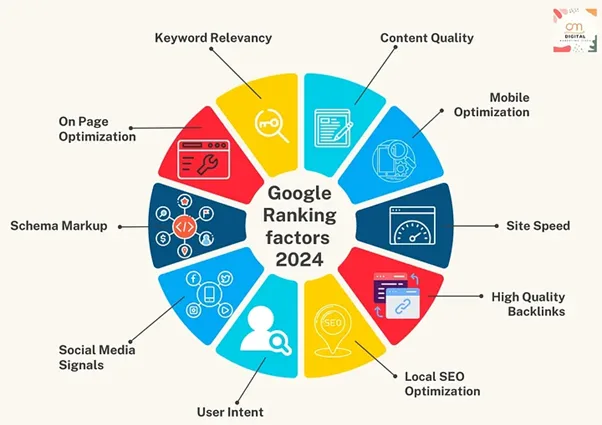
AI Overviews now deal with a growing share of educational questions without a click. Perplexity, ChatGPT search, and Gemini are reshaping discovery for a product piece of buyers. E-E-A-T inflation, entity-level ranking, and topical authority have actually moved the center of mass from page-level optimization to site-level credibility. A 2026 SEO method needs to prepare for six pillars in parallel: technical structures, material architecture, on-page optimization, link and entity authority, AI search exposure (AEO/GEO), and measurement.
Web 2.0And it must deliver on a 90-day tactical cadence with a 12-month strategic envelope, due to the fact that the SERP is moving too fast for yearly strategies alone. This design template walks through every pillar, with worked examples, a priority matrix, and a quarterly timeline you can lift into your own preparation doc. in-house SEO leads, creators owning natural development, and agencies developing method deliverables for customers.
Leveraging Web 2.0 Platforms for Better Rankings
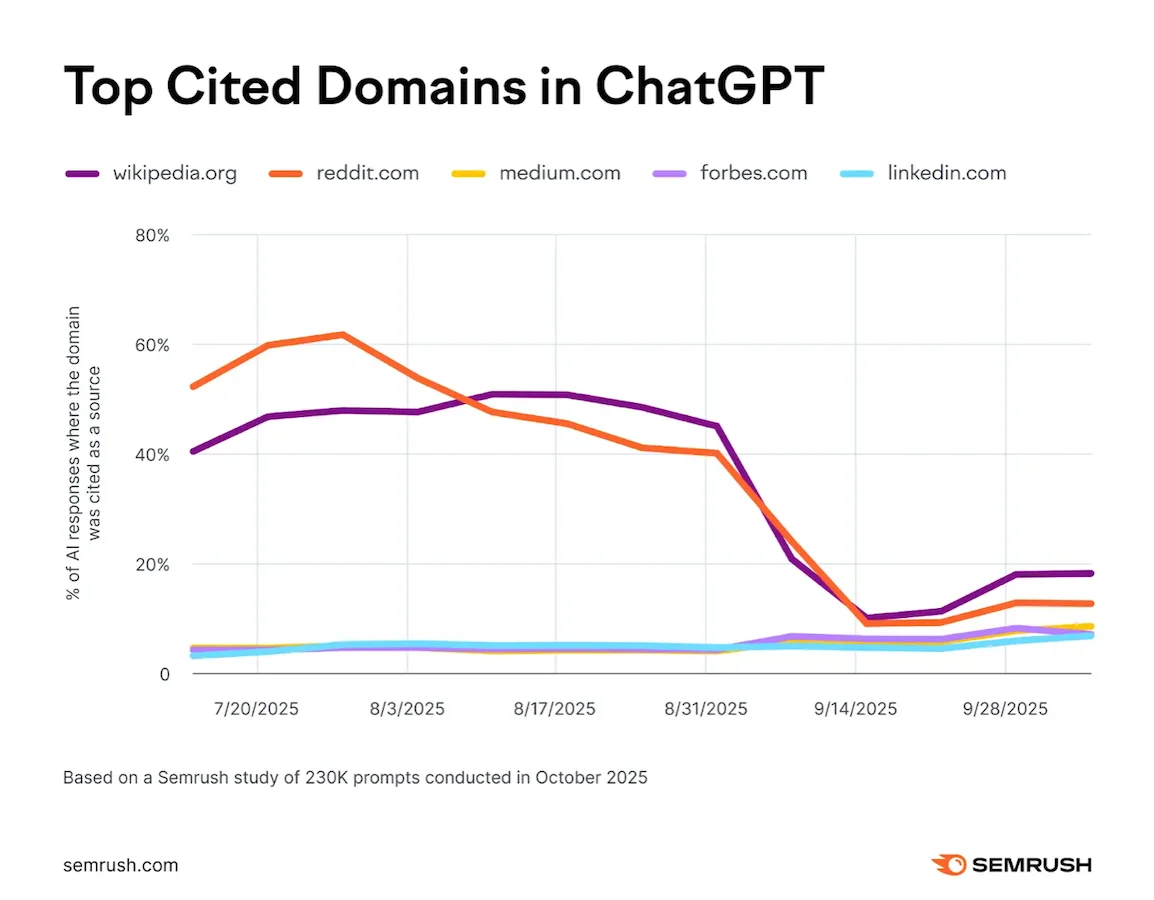
The strategic implication: shift educational content towards being mentioned by AI, and push industrial and transactional pages harder for direct sees. Response Engine Optimization (AEO) targets AI address boxes in Google, Bing, and ChatGPT search. Generative Engine Optimization (GEO) targets citations inside LLM responses more broadly. Both require entity-first optimization, structured answers (definition, pros/cons, contrast tables, Frequently asked questions), and authoritative external co-mentions.
Google's Experience, Competence, Authoritativeness, and Credibility signals have tightened up year over year. Site-level credibility verified authors, constant entity markup, co-citations with recognized sources increasingly gates ranking capacity for commercial queries. Brand-new domains deal with a steeper climb than in 2020. GA4 data-driven attribution, privacy-driven direct-traffic inflation, and AI referrals that frequently sign up as direct all make last-click organic attribution less reliable.
Spend the opening pages of your plan connecting natural metrics to pipeline, income, and quarterly OKRs. Map every keyword cluster to a purchaser phase (awareness, factor to consider, choice, retention), designate a conversion-rate proxy from paid search, and projection pipeline influence per cluster.
Use a three-tier OKR structure per quarter: one revenue-outcome objective ("grow organic-sourced pipeline to $X"), 2 to 3 leading-indicator goals (publishing speed, internal-link density, Core Web Vitals pass rate), and a risk-mitigation goal (algorithm-update resilience, AI-Overview cannibalization defense). Each OKR names an owner and a weekly evaluation cadence. branded + classification informative queries, determined by assisted conversions and branded search uplift.
Web 2.0The tactical ramification: shift informative material toward being cited by AI, and push business and transactional pages harder for direct visits. Response Engine Optimization (AEO) targets AI answer boxes in Google, Bing, and ChatGPT search. Generative Engine Optimization (GEO) targets citations inside LLM actions more broadly. Both need entity-first optimization, structured responses (meaning, pros/cons, comparison tables, FAQs), and authoritative external co-mentions.
The ROI of Entity Signals for 2026
Google's Experience, Expertise, Authoritativeness, and Dependability signals have tightened year over year. Site-level reliability confirmed authors, constant entity markup, co-citations with recognized sources progressively gates ranking potential for commercial questions. Brand-new domains face a steeper climb than in 2020. GA4 data-driven attribution, privacy-driven direct-traffic inflation, and AI recommendations that frequently register as direct all make last-click organic attribution less trustworthy.
An SEO technique that can not be priced in revenue language gets cut first when budgets tighten. Invest the opening pages of your strategy connecting natural metrics to pipeline, income, and quarterly OKRs. Every subsequent tactical choice ought to map back to among these numbers. Map every keyword cluster to a buyer stage (awareness, factor to consider, decision, retention), appoint a conversion-rate proxy from paid search, and forecast pipeline impact per cluster.
Utilize a three-tier OKR structure per quarter: one revenue-outcome objective ("grow organic-sourced pipeline to $X"), 2 to 3 leading-indicator goals (publishing velocity, internal-link density, Core Web Vitals pass rate), and a risk-mitigation goal (algorithm-update durability, AI-Overview cannibalization defense). Each OKR names an owner and a weekly evaluation cadence. branded + classification informational inquiries, measured by assisted conversions and branded search uplift.