Leveraging Web 2.0 Assets to Superior Rankings
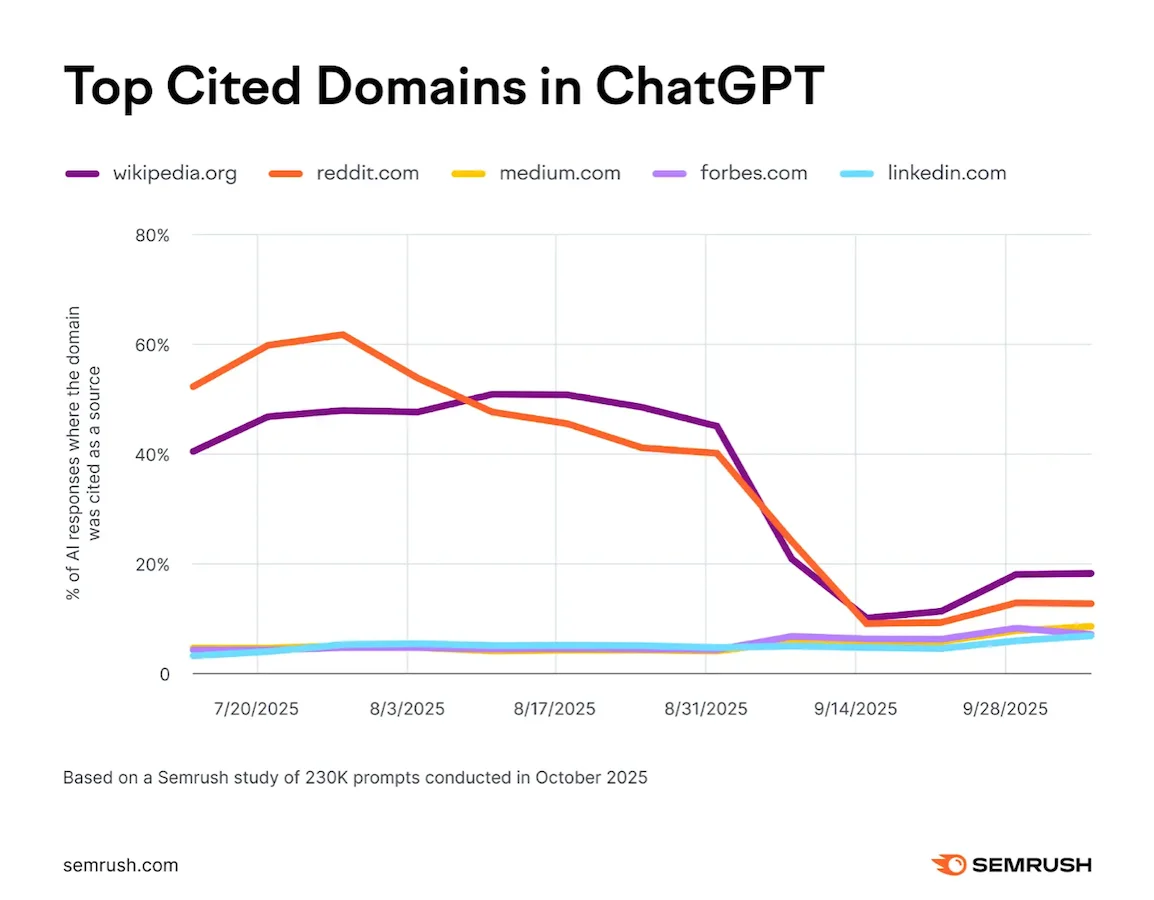
Answer Engine Optimization (AEO) targets AI answer boxes in Google, Bing, and ChatGPT search. Both require entity-first optimization, structured responses (definition, pros/cons, contrast tables, Frequently asked questions), and authoritative external co-mentions.
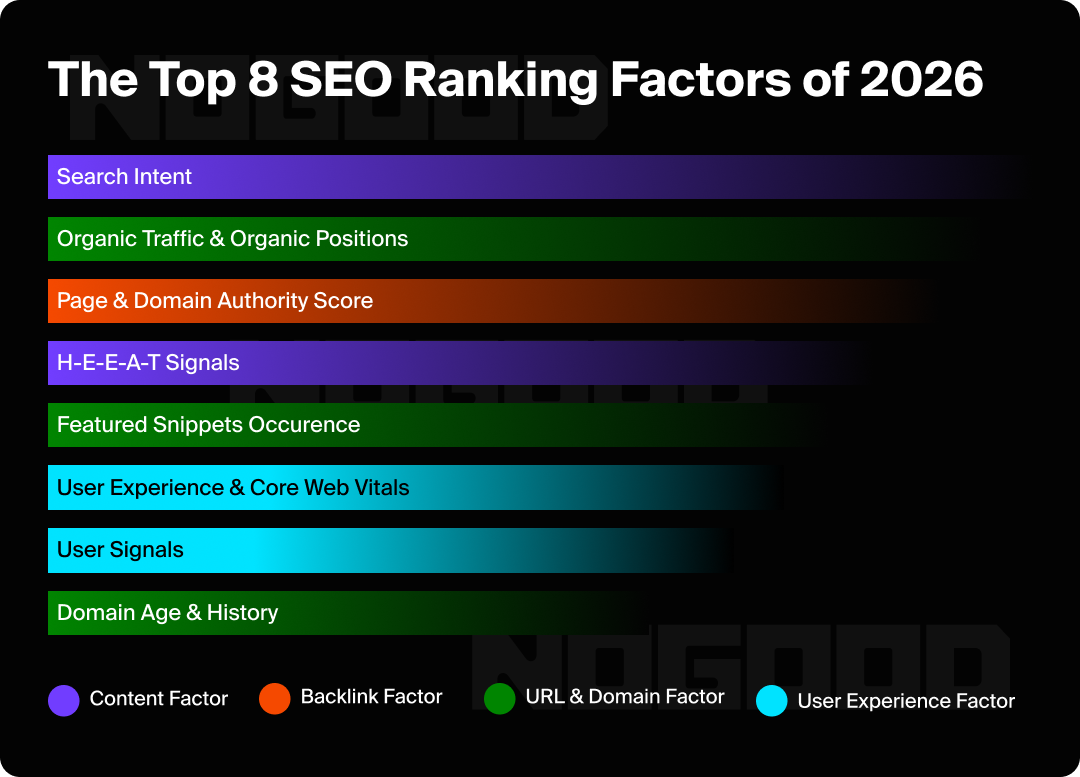
why Web 2.0 posts workGoogle's Experience, Competence, Authoritativeness, and Trustworthiness signals have actually tightened year over year. Site-level trustworthiness verified authors, consistent entity markup, co-citations with recognized sources progressively gates ranking potential for industrial questions. New domains face a steeper climb than in 2020. GA4 data-driven attribution, privacy-driven direct-traffic inflation, and AI recommendations that frequently register as direct all make last-click natural attribution less trustworthy.
Spend the opening pages of your plan connecting organic metrics to pipeline, profits, and quarterly OKRs. Map every keyword cluster to a purchaser phase (awareness, factor to consider, choice, retention), appoint a conversion-rate proxy from paid search, and forecast pipeline influence per cluster.
why Web 2.0 posts work
Use a three-tier OKR structure per quarter: one revenue-outcome objective ("grow organic-sourced pipeline to $X"), 2 to 3 leading-indicator goals (publishing speed, internal-link density, Core Web Vitals pass rate), and a risk-mitigation goal (algorithm-update durability, AI-Overview cannibalization defense). Each OKR names an owner and a weekly review cadence. branded + category informational questions, measured by assisted conversions and top quality search uplift.